




US Approves $686 Million F-16 Upgrade Package for Pakistan
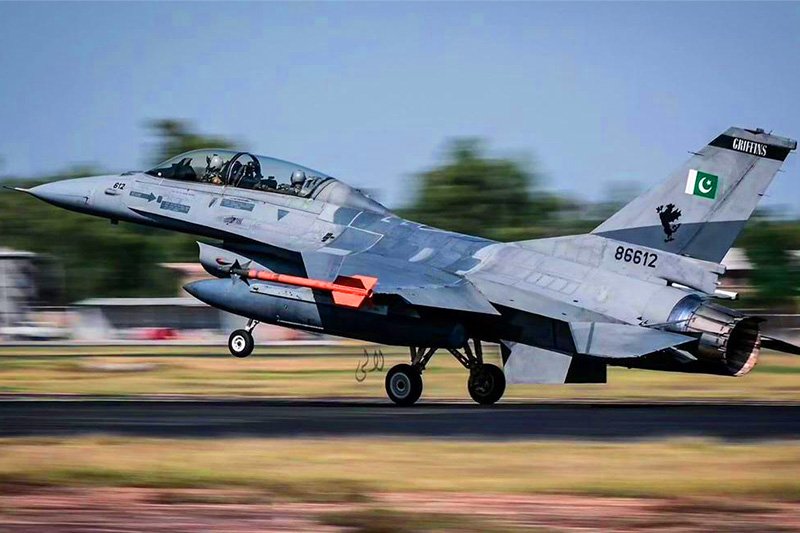
The United States has taken a significant step in strengthening its defense partnership with Pakistan through a substantial military modernization agreement. The US approves $686 million F-16 upgrade package for Pakistan, marking a crucial development in bilateral defense relations and regional security cooperation. This comprehensive defense deal, officially designated as Transmittal No. 22-08 by the Defense Security Cooperation Agency, represents one of the most significant military sales to Pakistan in recent years. The US approves $686 million F-16 upgrade package for Pakistan to enhance the country’s aerial combat capabilities and ensure continued interoperability with American and allied forces in counterterrorism operations.
Understanding the Defense Security Cooperation Framework
The Defense Security Cooperation Agency (DSCA) serves as the primary coordinating body for US military sales to foreign nations. Operating under the Arms Export Control Act, the agency ensures that all defense transactions align with American foreign policy objectives and national security interests. Director Michael F. Miller formally notified congressional leaders, including Speaker Mike Johnson, Senate Foreign Relations Committee Chairman James E. Risch, and House Foreign Affairs Committee Chairman Brian Mast, about this significant defense package in accordance with Section 36(b)(1) reporting requirements.
This notification process demonstrates the transparency and oversight mechanisms built into American defense sales procedures. Congressional committees receive detailed information about proposed military transfers, allowing elected representatives to evaluate whether such sales serve American interests and regional stability. The formal letter structure ensures accountability throughout the defense cooperation process.
Breaking Down the $686 Million Investment
The defense package consists of two primary components that together total $686 million. Major Defense Equipment accounts for $37 million of the total, while the remaining $649 million covers additional systems, services, and support infrastructure. This distribution reflects the comprehensive nature of modern military upgrades, where supporting infrastructure often exceeds the cost of primary hardware.
Pakistan will fund this acquisition through national resources rather than foreign military financing, demonstrating the country’s commitment to maintaining its defense capabilities. The funding source indicates Pakistan’s willingness to invest substantially in modernizing its air force and maintaining strategic partnerships with the United States.
Major Defense Equipment Components
The headline items in this package include ninety-two Link-16 systems and six Mk-82 inert 500-pound general purpose bomb bodies. The Link-16 systems represent the technological heart of this upgrade, providing advanced command, control, communications, and intelligence capabilities. These systems incorporate high-capacity, jam-resistant digital communication links that enable real-time tactical information exchange among air, ground, and sea elements.
Link-16 technology provides critical theater functions including surveillance, identification, air control, weapons engagement coordination, and direction capabilities. The updated cryptography ensures Pakistan’s F-16 fleet can maintain interoperability with US and allied forces well into the future. This interoperability proves essential for joint operations, training exercises, and coordinated responses to regional security challenges.
The six Mk-82 inert bomb bodies serve integration testing purposes. These 500-pound free-fall weapons contain no explosive fill, making them safe for testing weapons systems integration without operational risks. Integration testing ensures that Pakistan’s upgraded F-16s can effectively employ modern munitions when needed.
Non-Major Defense Equipment and Support Systems
The bulk of the package’s value lies in sophisticated avionics upgrades and support systems. Aircraft hardware and software modifications will support Operational Flight Program updates and mandated avionics enhancements. These modifications ensure Pakistan’s F-16 fleet meets current airworthiness standards and operational requirements.
The AN/APX-126 Advanced Identification Friend or Foe (AIFF) system represents a crucial safety and operational capability. This combined interrogator transponder can transmit and interrogate Mode 5 identification signals, helping prevent friendly fire incidents and enabling proper identification of aircraft in contested airspace. Mode 5 represents the latest standard in military identification technology, replacing older systems with more secure and reliable alternatives.
Cryptographic systems form another critical component. The KY-58M and KIV-78 cryptographic appliqués enable secure communications and can be loaded with Mode 5 classified elements. The AN/APQ-10C Simple Key Loaders provide handheld devices for securely receiving, storing, and transferring data between cryptographic and communications equipment. These systems ensure Pakistan can participate in secure coalition communications networks.
Navigation and mission planning capabilities receive substantial upgrades through Joint Mission Planning Systems. These multi-platform PC-based systems enable comprehensive mission planning, improving operational effectiveness and coordination. Modern air operations rely heavily on detailed mission planning to maximize effectiveness while minimizing risks.
Weapons integration receives attention through Common Munitions Built-in-Test Reprogramming Equipment and ADU-981 missile adaptor units. These testing systems verify electronics in air-to-ground munitions and air-to-air missiles, ensuring weapons function properly when needed. Proper testing and integration prove essential for maintaining combat readiness.
Strategic Rationale and Foreign Policy Objectives
The US approves $686 million F-16 upgrade package for Pakistan to support specific foreign policy and national security objectives. According to the DSCA notification, this sale enables Pakistan to retain interoperability with US and partner forces in ongoing counterterrorism efforts and preparation for future contingency operations. This strategic rationale reflects continued American interest in maintaining cooperative security relationships in South Asia.
Pakistan’s geographical position and security challenges make it a relevant partner in regional counterterrorism efforts. The country faces ongoing terrorist threats and maintains substantial military capabilities for addressing these challenges. By keeping Pakistan’s F-16 fleet technologically current, the United States ensures a capable partner remains available for coordinated operations when American interests align with regional security needs.
The sale specifically maintains Pakistan’s capability to meet current and future threats by updating and refurbishing its Block-52 and Mid Life Upgrade F-16 fleet. These updates provide seamless integration and interoperability between the Pakistan Air Force and US Air Force in combat operations, exercises, and training activities. Refurbishment extends aircraft life through 2040 while addressing critical flight safety concerns.
Technical Capabilities and Military Impact
Modern air combat relies heavily on information sharing and coordinated operations. The Link-16 systems at the heart of this package enable Pakistan’s F-16s to participate fully in network-centric warfare concepts. Aircraft equipped with Link-16 can share targeting information, coordinate weapons employment, and maintain situational awareness across widely dispersed formations.
The system’s jam-resistant characteristics ensure reliable communications even in contested electromagnetic environments. Modern adversaries employ sophisticated electronic warfare capabilities designed to disrupt communications and coordination. Link-16’s resilience against such threats maintains operational effectiveness when facing capable opponents.
Cryptographic updates prove equally important for long-term viability. Cryptographic systems require periodic updates as computing capabilities advance and potential adversaries develop more sophisticated code-breaking techniques. By providing current cryptographic systems, the United States ensures Pakistan’s F-16 fleet can participate in secure communications networks throughout the aircraft’s extended service life.
The full-motion simulator included in the package enhances training effectiveness while reducing operational costs. Simulator training allows pilots to practice complex scenarios and emergency procedures without expending flight hours or risking aircraft. Modern simulators replicate aircraft performance characteristics with remarkable fidelity, providing valuable training at a fraction of operational flying costs.
Training and Support Infrastructure
Personnel training represents a critical component of successful military modernization. The package includes comprehensive training equipment and programs to ensure Pakistani personnel can effectively operate and maintain upgraded systems. Training covers both operational employment and technical maintenance, creating a sustainable capability rather than simply delivering hardware.
Publications and technical documentation provide essential reference materials for ongoing operations and maintenance. Modern military aircraft require extensive documentation covering normal operations, emergency procedures, maintenance practices, and troubleshooting guidance. Comprehensive documentation enables sustained operations without continuous external support.
US Government and contractor engineering, technical, and logistics support services provide expertise during transition periods and ongoing operations. These services help resolve technical issues, implement updates, and maintain operational readiness. Support services prove particularly valuable when integrating complex new systems into existing aircraft.
Studies and surveys included in the package likely address specific technical or operational questions that arise during implementation. These analytical efforts help optimize system performance and identify potential improvements or adjustments needed for effective operations.
Congressional Oversight and Approval Process
The formal notification to congressional leaders initiates a review period during which Congress can object to proposed sales. Section 36(b)(1) of the Arms Export Control Act requires the executive branch to notify Congress of major defense sales before they proceed. This notification provides transparency and enables congressional oversight of defense cooperation activities.
Letters to Speaker Mike Johnson, Senate Foreign Relations Committee Chairman James Risch, and House Foreign Affairs Committee Chairman Brian Mast ensure both chambers and relevant committees receive complete information. These committees possess jurisdiction over foreign affairs and military sales, making their review essential for proper oversight.
The formal letter format and detailed enclosures provide Congress with comprehensive information needed for informed evaluation. Congressional review considers whether proposed sales serve American interests, comply with relevant laws, and maintain appropriate technology security. While Congress rarely blocks defense sales, the review process ensures accountability and democratic oversight.
Historical Context of US-Pakistan Defense Relations
Understanding this sale requires recognizing the long history of US-Pakistan defense cooperation. Pakistan has operated American military equipment for decades, with the F-16 serving as a cornerstone of the country’s air combat capabilities. The United States has provided Pakistan with F-16s in multiple tranches, recognizing the aircraft’s importance to Pakistani defense planning.
Read this: Ghost Bat Drone Achieves Historic Air-to-Air Missile Strike
The relationship has experienced periods of close cooperation and significant tension. Various factors including nuclear weapons development, terrorism concerns, and regional dynamics have complicated bilateral relations. Despite these challenges, defense cooperation has persisted as both countries recognize mutual interests in certain areas.
This particular sale emphasizes sustainment and modernization of existing capabilities rather than provision of new weapons systems. By focusing on keeping Pakistan’s current F-16 fleet operational and relevant, the United States maintains partnership benefits while managing concerns about capability expansion. The approach balances continued cooperation with careful management of sensitive technology transfer.
Final Thought 💭
The Defense Security Cooperation Agency’s notification regarding the proposed $686 million F-16 upgrade package for Pakistan represents a significant development in US-Pakistan defense relations. The comprehensive package addresses cryptographic mandate compliance while extending the service life of Pakistan’s F-16 fleet through 2040. Major components include Link-16 systems, advanced identification equipment, cryptographic systems, mission planning capabilities, and extensive support infrastructure.
This sale serves multiple American objectives including maintaining interoperability with a regional partner, supporting counterterrorism efforts, and preserving defense cooperation relationships. The package enhances Pakistan’s ability to address security challenges while ensuring its forces can coordinate effectively with American and allied units when interests align.
Congressional notification enables oversight and ensures proper evaluation of whether this sale serves American interests and maintains regional stability. As this proposed sale moves through the approval process, it demonstrates how defense cooperation serves as a tool of American foreign policy while requiring careful balancing of technology security, regional stability, and strategic partnerships in South Asia.
Keep connected with us at Facebook, Twitter, YouTube, Instagram & TikTok for latest defense happening around the globe.
Discover more from International Defence Analysis
Subscribe to get the latest posts sent to your email.