

IDA Magazines

View all →
5 ADEX 2026
ADEX 2026
4 AAD Magazine Edition
AAD 2026
3 Saha Magazine
SAHA 2026
2 DSA Mag
DSA 2026
1 IDA Magazine Edex Edition 2025
EDEX 2025

Air Warfare

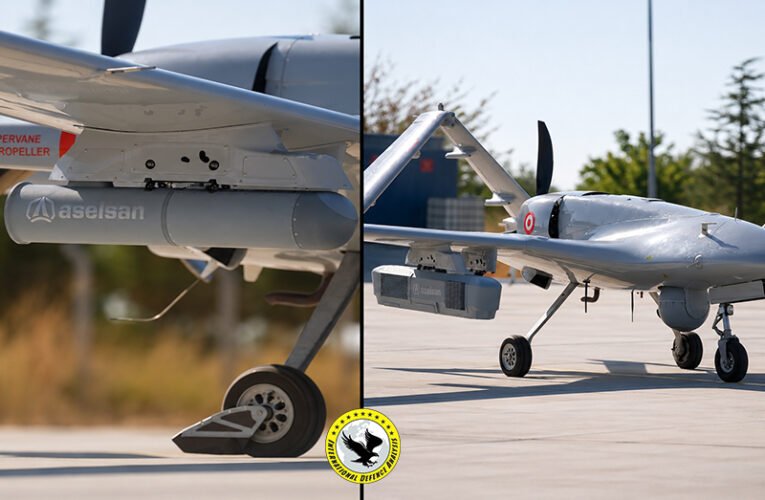
ASELSAN Trials Integrated EW and ISR Systems on TB2 Drone

ASELSAN Trials Integrated EW and ISR Systems on TB2 Drone

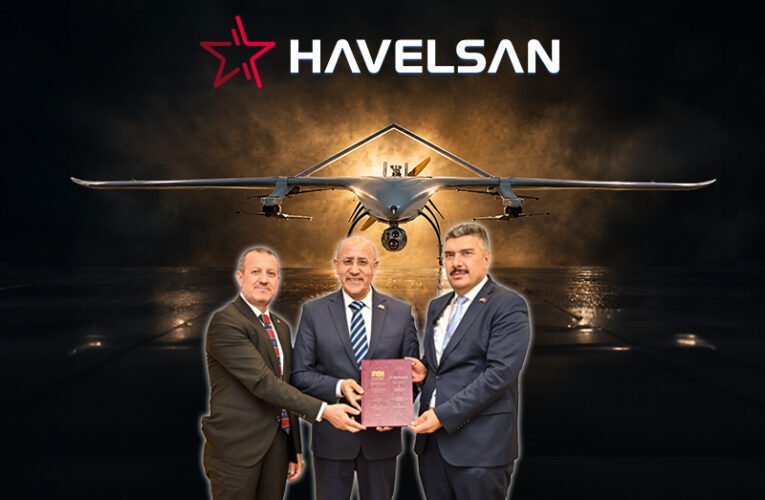
HAVELSAN AND AOI SIGN SALES AGREEMENT FOR HAMZA-1 UAV

HAVELSAN AND AOI SIGN SALES AGREEMENT FOR HAMZA-1 UAV

Four Launches, Four Direct Hits: ASELSAN's Guidance Kits Deliver Precision

Four Launches, Four Direct Hits: ASELSAN’s Guidance Kits Deliver Precision

ASELSAN's TOLUN Munition Family Demonstrates Versatile Deep-Strike Capabilities

ASELSAN’s TOLUN Munition Family Demonstrates Versatile Deep-Strike Capabilities

Defence Exhibition

ASELSAN Strengthens Partnership with Azerbaijan at ADEX 2026

ASELSAN Strengthens Partnership with Azerbaijan at ADEX 2026

MKE Enters Egyptian Defense Market: "Zafer" Subsidiary and Joint Production

MKE Enters Egyptian Defense Market: “Zafer” Subsidiary and Joint Production

SEDEC MEET 2026 Draws 30+ Countries to Ankara

SEDEC MEET 2026 Draws 30+ Countries to Ankara

BAMEX 2026 Set to Strengthen Defense and Security Cooperation Across Africa

BAMEX 2026 Set to Strengthen Defense and Security Cooperation Across Africa

News you should see

ASELSAN Strengthens Partnership with Azerbaijan at ADEX 2026

ASELSAN Strengthens Partnership with Azerbaijan at ADEX 2026

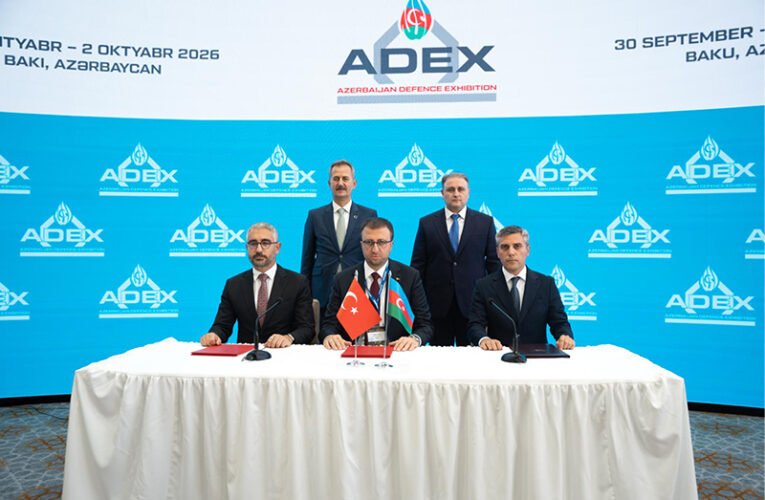
Baku, 30 September 2026 – The longstanding defense partnership between ASELSAN and Azerbaijan has entered a new phase with the signing of a term sheet agreement at the Azerbaijan International Defence Exhibition (ADEX 2026) targeting the establishment of a strategic production facility in Nakhchivan, Azerbaijan. The company has also signed a framework agreement with the Ministry of Defense of Azerbaijan, expressing its intention to procure ALP 100 Multifunction AESA Air Surveillance Radar systems from ASELSAN to meet the requirements of the Azerbaijani Air Force.

Through the term sheet agreement between ASELSAN, ASELSAN BAKÜ LLC, and NOVASIS LLC, the partners announce their intention to establish a strategic production facility in Nakhchivan, expanding Azerbaijan’s domestic defense manufacturing capabilities, advancing technology transfer and strengthening Azerbaijan’s defense industrial infrastructure. 

More From Aselsan: ASELSAN’s KORKUT 35 Proves Mobile Air Defense Dominance in Live-Fire Showcase


The planned facility is expected to facilitate the transfer of advanced manufacturing technologies for ASELSAN’s Laser Guidance Kits (LGK), TOLUN precision-guided munitions, and KORKUT air defense systems, contributing to the development of Azerbaijan’s indigenous defense industry. This potential collaboration also aims to foster a highly skilled workforce and support the integration of domestically produced munitions into current and future Unmanned Combat Aerial Vehicle (UCAV), fighter jet, and trainer aircraft platforms in the Azerbaijani inventory. 

The agreements signed at ADEX further build on ASELSAN’s enduring partnership with Azerbaijan and reflect the two countries’ shared commitment to advancing defense cooperation and technological capabilities, as ASELSAN President & CEO Ahmet Akyol underlined:

“Our long-lasting partnership with Azerbaijan is steadily evolving to new horizons. By declaring our will to extend production capabilities for our systems like LGK, KORKUT and TOLUN to Nakhchivan, we aim to support our allies in building a resilient, localized defense infrastructure. Furthermore, the framework agreement for the ALP 100 Multifunction AESA Air Surveillance Radar represents another important step in our cooperation. Our contribution to providing critical technologies, including advanced radar systems, will further strengthen our ties and support Azerbaijan in enhancing its defense capabilities. This collaboration reflects a shared commitment to regional stability and helps ensure that our cutting-edge technologies are closely tuned to the operational needs of the Azerbaijani armed forces.”

At ADEX 2026, ASELSAN is also showcasing a broad portfolio of advanced defense technologies spanning counter-drone systems, air defense, airborne solutions, electronic warfare, radar, and secure communications. The portfolio includes solutions such as the KORKUT 100/25 air defense system, ASELFLIR 600 electro-optical system, TOLUN precision-guided munition, KORAL electronic warfare system, and MURAD and FULMAR radar family, alongside advanced communication and guidance technologies. Together, these solutions demonstrate ASELSAN’s integrated approach to addressing evolving operational requirements across multiple domains.

About ASELSAN:
Founded in 1975, ASELSAN is Türkiye’s leading defense company, combining five decades of engineering excellence with a growing global presence. The company delivers innovative products, services, and integrated system solutions for critical military and industrial missions, with core competencies in radar, electronic warfare, guidance, electro-optics, and information and communication technologies. Beyond defense, ASELSAN also provides high-value solutions in civilian fields such as transportation, security, automation, and healthcare. Powered by more than 14,000 highly skilled professionals, ASELSAN exports its products and systems to more than 97 countries and maintains a direct presence in 25 countries, operating as a trusted global solution provider.

Catch all the latest defense news from around the world—join us on
Facebook, Twitter, YouTube, Instagram & TikTok.

Hangor­-class Submarines and Pakistan’s Emerging Sea-Based Deterrent

Hangor­-class Submarines and Pakistan’s Emerging Sea-Based Deterrent

The induction of the Hangor class submarines marks one of the most significant milestone in the modernization of the Pakistan Navy. As the regional maritime environment becomes increasingly complex, Pakistan is investing in advanced undersea capabilities to strengthen deterrence, safeguard maritime trade routes, and enhance national security.

The Hangor-class is based on Chinese S26 submarine design, an export variant derived from the Yuan class family. Pakistan has ordered eight submarines under major defense agreement with China.  Four submarines are being constructed in China, while the remaining four are being built at Karachi Shipyard and Engineering Works through technology transfer agreement that will strengthen Pakistan’s indigenous shipbuilding capabilities.

The lead boat PMS/M Hangor, entered service in 2026, becomes the largest and most capable submarine ever operated by the Pakistan Navy. The remaining submarines are expected to enter service gradually over the course of few years, ultimately forming the backbone of Pakistan’s undersea fleet.

The name Hangor carries special historical significance. It honors the original PNS Hangor, a Daphne class submarine that achieved the distinction in the 1971 Indo-Pakistan war by sinking the Indian frigate INS Khukri and gave heavy damage to INS Kirpan. The operation remains one of the most notable submarine successes in the south Asian naval history and counties to hold an important place in Pakistan Navy traditions. (The original Hangor is on the display in Karachi Navy Museum).

Equipped with Air Independent Propulsion (AIP), the new Hangor-class can remain submerged for the extended period without surfing to recharge batteries. This significantly improve stealth, endurance, and survivability. The submarine is also expected to carry modern torpedoes and anti-ship cruise missiles, providing Pakistan with a credible sea-denial capability in the Arabian Sea and wider Indian Ocean region.

Does the Hangor-class Complete Pakistan’s Nuclear Triad?

The introduction of the Hangor-class has revived debate regarding Pakistan’s nuclear deterrent posture. A nuclear triad traditionally consists of three delivery systems: land-based surface to surface missiles, air-delivered nuclear weapons, and sea-based nuclear missiles.

Pakistan already possesses the first two components. The debate centers on the third leg, sea-based deterrence.

Pakistan has already demonstrated the technological foundations of the sea-based deterrent through the development of the Babur-3 submarine launched cruise missile. However, public information regarding the routine deployment of the nuclear weapons aboard operational submarines remains limited. As a result, analysts differ in their assessments of whether Pakistan’s sea based deterrent should be viewed as fully operational or still evolving. Regardless of this debate, the induction of the Hangor- class significantly enhances Pakistan’s ability to maintain a credible and powerful maritime deterrent, with its greater endurance, improved stealth and enhanced survivability.

The Debate over Nuclear-Powered Submarines

Some commentators have argued that Pakistan should pursue Chinese nuclear-powered submarines, often citing Type S093 Shang-class attack submarine or the Type 094 Jin-class ballistic missile submarine. These discussions frequently appear on the defense forums and social media.

While such proposals attract attention, there is currently no public confirmation evidence that Pakistan is acquiring either class.

More importantly, Pakistan’s strategic requirements differ from those of large naval powers. Countries such as United States, Russia, China, France and the United Kingdom operate nuclear-powers submarines because they must conduct long duration patrols across vast oceans and maintain continuous global deployment.

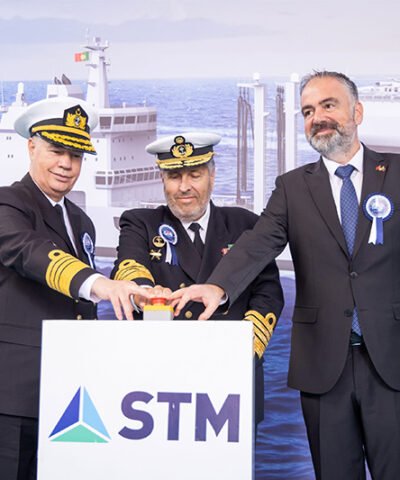
Read Me: STM Launches Third Vessel of Malaysia’s LMS Batch-2 Project

On the other hand, Pakistan’s maritime environment is considerably smaller. Its primary strategic focus remains the Arabian Sea and the Northern Indian Ocean. Advanced conventional submarines equipped with AIP systems can operate effectively within these waters while remaining significantly less expensive to acquire and maintain than nuclear powered vessels.

For Pakistan’s current requirements, the combination of Hangor class submarines and the Babur 3 missile provide a practical and cost effective approach to sea based deterrence. Nuclear propulsion is not prerequisite for establishing a credible second strike capability.

Looking for the Future

This does not mean Pakistan will never pursue nuclear powered submarines. Historically, every established nuclear power has sought to improve the survivability of its deterrent forces and even North Korea has announced efforts to develop nuclear powered submarines technology.

However, operating nuclear powered submarines require far more than acquiring the vessels themselves. It demands specialized infrastructure, nuclear engineering experts, maintenance facilities, crew training and sophisticated command and control system. These capabilities often take decades to develop.

Even China, despite its major advances in naval modernization has spent decades refining its nuclear submarines fleet and continues to invest heavily in improving submarine propulsion systems and operational effectiveness. Any future Pakistani effort in this direction would therefore represent a long term strategic undertaking rather than a near term objective.

Conclusion

The Hangor class submarines program represent a transformative development for the Pakistani Navy. Beyond enhancing conventional naval capabilities, it strengthens Pakistan’s ability to establish a credible sea based deterrent and reinforce strategic stability in the maritime domain.

While debates regarding nuclear powered submarines will continue. Pakistan’s immediate priorities appear clear, successfully induct the Hangor fleet, operationalize its sea based deterrent capabilities and develop the institutional experience required for sustain undersea operations. For the foreseeable future, Hangor class and Babur 3 missile provide a realistic and strategically sound path towards strengthening Pakistan’s maritime deterrence posture.

Written By:
Muhammad Asadullah Kahut

Catch all the latest defense news from around the world—join us on
Facebook, Twitter, YouTube, Instagram & TikTok.

BAMEX 2026: Harun Saraç on Connecting the Sahel with the Global Defense Industry

BAMEX 2026: Harun Saraç on Connecting the Sahel with the Global Defense Industry

As BAMEX 2026 prepares to take place in Bamako, Mali, from 9–13 November 2026, this exclusive interview with Mr. Harun Saraç explores the vision behind the exhibition, its international participation, and its role in connecting the Sahel with the global defense industry. Mr. Saraç shares insights into BAMEX 2026’s focus on defense cooperation, industry engagement, technology showcases, and opportunities for building long-term partnerships across the region.

Our vision for BAMEX 2026 is to establish Bamako as one of the key meeting points for the defense and security industry in the Sahel and West Africa.

We want BAMEX to be more than an exhibition. Our goal is to create a platform where international companies can meet directly with military delegations, government representatives, leading industry distributors and key decision makers from the region.

For BAMEX 2026, the industry can expect stronger international participation, high level official delegations, direct engagement with regional stakeholders and, most importantly, a very business focused environment.

Ultimately, we want companies to come to Bamako not only to exhibit their products but also to build relationships, understand the market and create long term business in the region.

The Sahel is going through an important transformation in defense and security. Countries across the region are strengthening their capabilities, investing in new technologies and looking for reliable long term partners.

At the same time, this is a region where business cannot be developed only from a distance. Relationships, trust, local understanding and direct access are extremely important.

This is where BAMEX has a real advantage. We bring international companies directly into the region and connect them with the institutions and decision makers who understand the requirements on the ground.

BAMEX provides a direct and practical entry point into the region for the companies that are serious about Mali, the Sahel and the West African market.

We expect a broad representation across the defense and security industry, including land systems, UAV and counter-UAV technologies, weapons and ammunition, electro-optics, communications, surveillance and reconnaissance, armored vehicles, tactical equipment, border security, cybersecurity, training and logistics.

But for us, it is not only about the size of the company or the stand.

We particularly want to welcome companies that are ready to understand the operational requirements of the region. This includes major international defense companies but also specialized and innovative companies offering technologies and solutions that respond to real needs on the ground.

This is actually one of the most important aspects of BAMEX.

We do not want exhibitors simply sitting at their stands and waiting for visitors. Our objective is to bring military leadership, government representatives, procurement authorities, security institutions and official delegations together with participating companies.

We want to create direct and meaningful interaction between the people who have requirements and the companies that can provide the right solutions. There is also a very unique opportunity that the delegations and the visitors will have the opportunity to test all the products live in Demo Day.

We approach BAMEX as a business platform, not only as an exhibition.

Our team will work to facilitate targeted B2B, B2G, G2G and institutional meetings based on the capabilities of participating companies and the requirements of regional stakeholders. The objective is to bring the right people together rather than simply arranging meetings for the sake of numbers.

We also want the relationships created during BAMEX to continue after the exhibition, whether through procurement, local partnerships, training, technology cooperation, maintenance and support, or longer-term projects.

For us, the real success of BAMEX is what happens after the exhibition.

We are expecting a strong international presence at BAMEX 2026, both from defense and security companies and from official delegations.

However, our priority is not simply to increase the numbers. We want the right companies and the right delegations in Bamako.

Our focus is on bringing international companies with a genuine interest in the region together with military, government and security stakeholders who have real requirements and decision making authority.

That combination is what makes participation at BAMEX valuable.

I have been doing business in Mali and this region for years, and one thing I can say with confidence is that the Sahel cannot be understood from a distance. This is a region where trust, relationships and being present on the ground really matter. You need to meet the people, listen to their requirements and understand how the market actually works.

And this is exactly what we are trying to create with BAMEX.

We are not inviting companies to Bamako simply to rent a stand, display their products for a few days and go home. That is not our vision. We want them to meet the people who matter, understand the real needs of the region, develop relationships and hopefully leave Bamako with opportunities that can turn into long term business and cooperation.

I also believe the Sahel will become an increasingly important market for the global defense and security industry in the coming years. The companies that come here today, understand the region and build the right relationships will naturally be in a much stronger position tomorrow.

So, if Mali, the Sahel or West Africa are part of your future strategy, my invitation is simple: come to BAMEX 2026. Come with an open mind, meet the region for yourself and let us show you what BAMEX and Bamako can offer.

We will be very happy to welcome you here.

Harun SARAÇ

Chairman of Bamex

Interview with Mr. Sandile Ndlovu CEO AMD South Africa

Catch all the latest defense news from around the world—join us on
Facebook, Twitter, YouTube, Instagram & TikTok.

Editor Choice

Hangor­-class Submarines and Pakistan’s Emerging Sea-Based Deterrent

Hangor­-class Submarines and Pakistan’s Emerging Sea-Based Deterrent

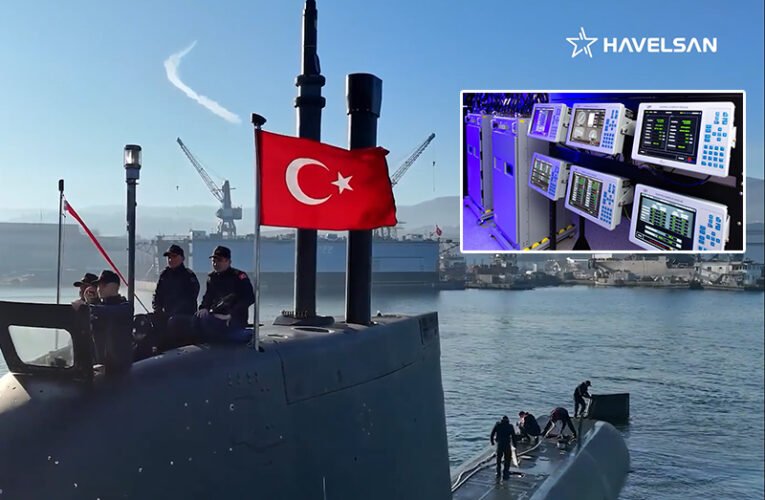
HAVELSAN ADVENT Combat Management System

MALAYSIA’S NEW CORVETTES TO SHARE A COMMON OPERATIONAL PICTURE

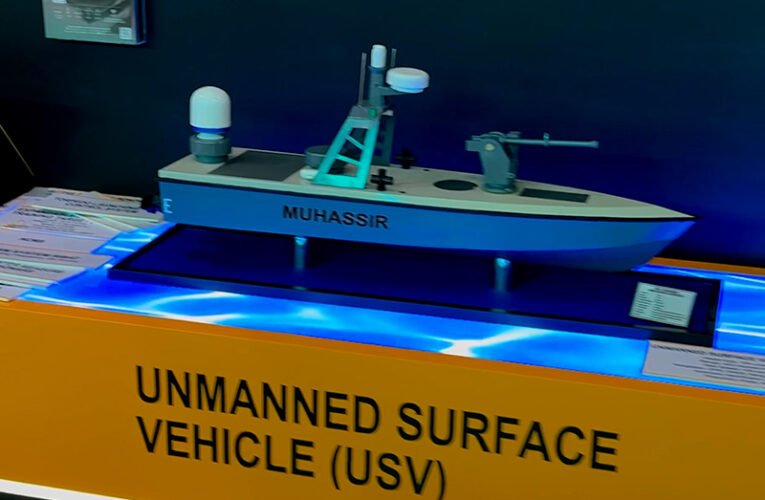
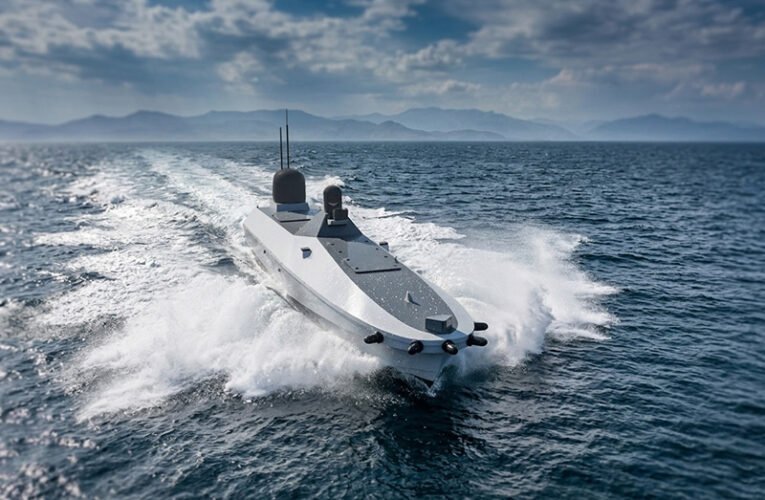
GIDS showcases the MUHASSIR USV for the first time at AAD 2026, a 35-knot unmanned surface vehicle for ISR, mine detection and combat.

GIDS Showcases MUHASSIR USV for the First Time at AAD 2026

HAVELSAN's FLEETSTAR Completes Factory Acceptance Tests for MİLGEM Ships 10 and 11

HAVELSAN’s FLEETSTAR Completes Factory Acceptance Tests for MİLGEM Ships 10 and 11

HAVELSAN TO UNVEIL AVISTA NEW UNDERWATER AUTONOMY PROJECT

HAVELSAN TO UNVEIL AVISTA NEW UNDERWATER AUTONOMY PROJECT

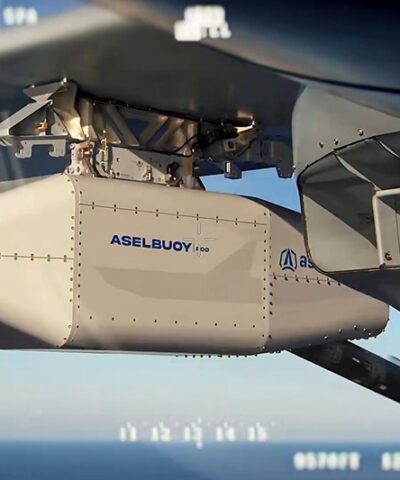
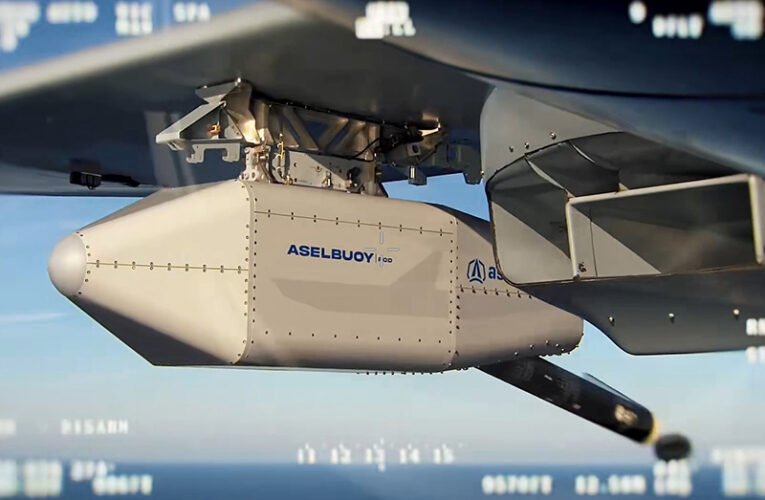
ASELSAN's ASELBUOY P Enters Serial Production

ASELSAN’s ASELBUOY P Enters Serial Production

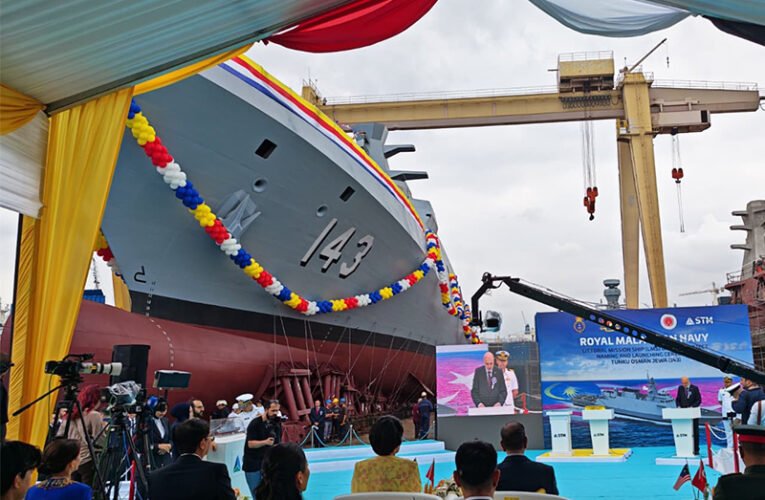
STM Launches Third Vessel of Malaysia's LMS Batch-2 Project

STM Launches Third Vessel of Malaysia’s LMS Batch-2 Project

“Deleted: Pakistan”, A New Maritime Era for Pakistan’s Business Community

“Deleted: Pakistan”, A New Maritime Era for Pakistan’s Business Community

YJ-20 Hypersonic Missile Launch Footage: China's Type 052D Destroyer Fires Anti-Ship Ballistic Missile

YJ-20 Hypersonic Missile Launch Footage: China’s Type 052D Destroyer Fires Anti-Ship Ballistic Missile

USVs: Types, Top Manufacturers and Their Role in Modern Naval Warfare

USVs: Types, Top Manufacturers and Their Role in Modern Naval Warfare

ADVENT Enters Service with Its First NATO Navy 

ADVENT Combat Management System Enters Service with First NATO Navy

HAVELSAN's BLUEVISION Brings AI Eyes to the World's Navies

HAVELSAN’s BLUEVISION Brings AI Eyes to the World’s Navies

Türkiye–Portugal Naval Cooperation Enters New Phase with Second Support Ship Build

Turkiye’s–Portugal Naval Cooperation Enters New Phase with Second Support Ship Build

Hot News🔥

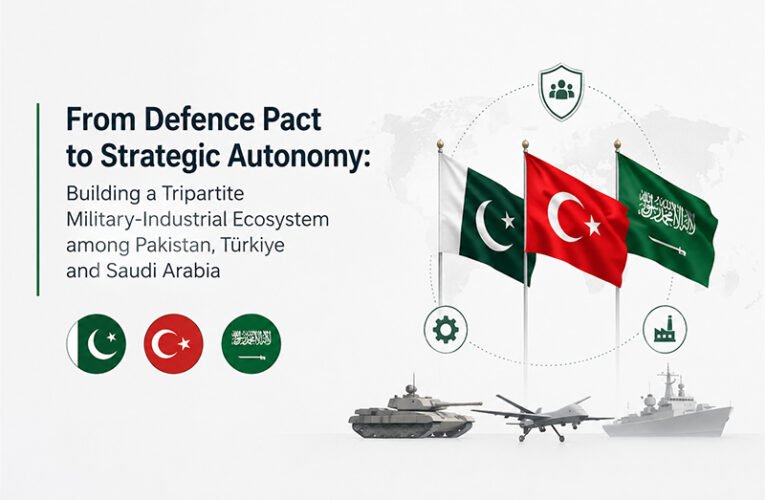
From Defence Pact to Strategic Autonomy: Building a Tripartite Military-Industrial Ecosystem among Pakistan, Türkiye and Saudi Arabia

From Defence Pact to Strategic Autonomy: Building a Tripartite Military-Industrial Ecosystem among Pakistan, Türkiye and Saudi Arabia

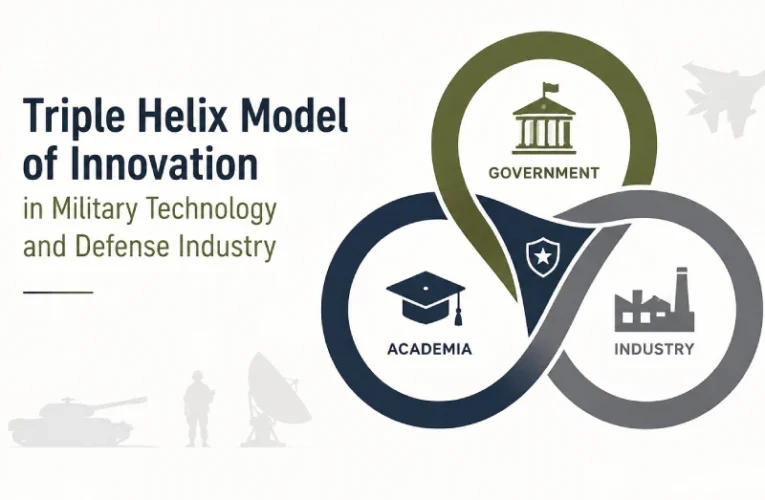
Triple Helix Model of Innovation in Military Technology and Defense Industry

Triple Helix Model of Innovation in Military Technology and Defense Industry

USVs: Types, Top Manufacturers and Their Role in Modern Naval Warfare

USVs: Types, Top Manufacturers and Their Role in Modern Naval Warfare

Beyond Information Operations: The Rise of Operations in the Information Environment (OIE)

Beyond Information Operations: The Rise of Operations in the Information Environment (OIE)

Global Conflict and Rising Pressure: Karachi Port in the Age of War-Driven Shipping

Global Conflict and Rising Pressure: Karachi Port in the Age of War-Driven Shipping

MAY 2025: WHEN DETERRENCE SPOKE AND ILLUSIONS FELL

MAY 2025:Operation Bunyan-un-Marsoos

Drilling Ahead: Offshore Energy, Security and Environmental Protection in Arabian Sea

Drilling Ahead: Offshore Energy, Security and Environmental Protection in Arabian Sea

Roketsan to build missiles with local engines under IDEF 2025 deal

Roketsan to build missiles with local engines under IDEF 2025 deal

IDEF 2025 Overview – $9B Deals, 120,000 Visitors & Global Participation

IDEF 2025 Overview – $9B Deals, 120,000 Visitors & Global Participation

Trendyol, Baykar, ADQ & Ant International Launch New Fintech Platform

Trendyol, Baykar, ADQ & Ant International Launch New Fintech Platform

US Air Force Leaders Push for E-7 and F-35 to Ensure Air Superiority

Turkiye Aselsan Ranks 18th Globally in Defense Companies

Turkiye Aselsan Ranks 18th Globally in Defense Companies

ASELSAN Secures Over $1B In Exports By End Of 2024

ASELSAN Secures Over $1B In Exports By End Of 2024

© International Defence Analysis | All Rights Reserved