



Türkiye’s Aksungur UCAV Deploys ASELBuoy Sonobuoys for the First Time
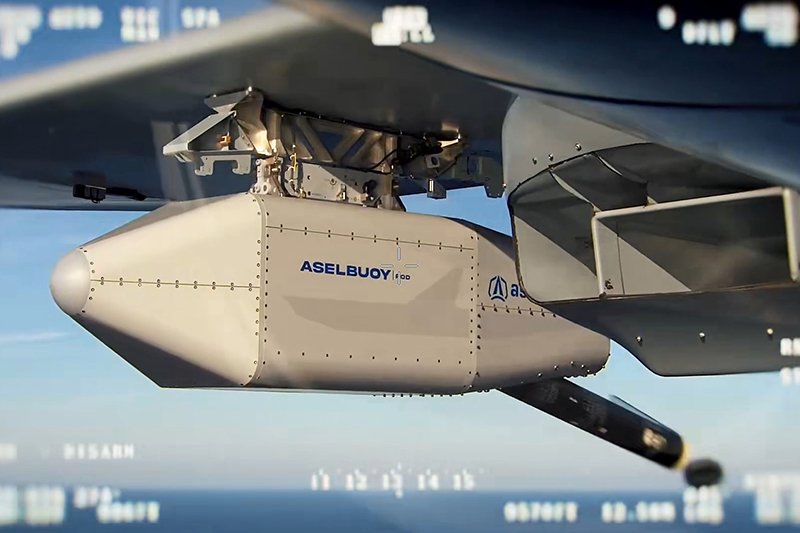
Türkiye has achieved a significant milestone in its defense capabilities, successfully integrating Anti-Submarine Warfare (ASW) credentials onto its unmanned platforms. In a recent test, the Aksungur Unmanned Combat Aerial Vehicle (UCAV), developed by Turkish Aerospace Industries (TAI), successfully deployed and operated domestic sonobuoys for the first time.
This achievement, marked by the integrated use of ASELSAN’s newly developed ASELBUOY sonobuoys, represents a critical leap forward for the Turkish Naval Forces. Sonobuoys are air-launched acoustic sensors used to detect and track submarines, and their deployment from UCAVs adds a potent and persistent layer to maritime surveillance.
A New Era in Maritime Surveillance
Traditionally, ASW operations have been the exclusive domain of manned Maritime Patrol Aircraft (MPA) and helicopters, which are costly to operate and limited by crew endurance. The ability to utilize MALE (Medium Altitude Long Endurance) UCAVs like the Aksungur for this mission introduces a game-changing capability.
During the flight test, the Aksungur UCAV successfully dropped the ASELBUOY sonobuoys into the sea. Following the deployment, the UCAV’s onboard systems listened to the signals transmitted by the activated sonobuoys, confirming that the acoustic data was being received and processed successfully.
This successful integration demonstrates the Aksungur’s versatility, moving beyond its established roles in Intelligence, Surveillance, and Reconnaissance (ISR) and ground attack to complex naval warfare tasks.
Related Article: ASELSAN’s ASELBUOY P Enters Serial Production
The Power of Indigenous Collaboration
The milestone highlights the growing strength of the Turkish defense ecosystem, showcasing successful collaboration between two major players:
- TAI Aksungur: A twin-engine UCAV capable of performing long-endurance missions at high altitudes, with a significant payload capacity for maritime sensors and weapons.
- ASELSAN ASELBUOY: A domestic sonobuoy solution designed to provide the Turkish Navy with an independent acoustic monitoring capability, reducing reliance on foreign-sourced sensors.
By combining an indigenous platform with indigenous sensors, Türkiye is not only enhancing its operational capabilities but also securing its defense supply chain.
Strategic Implications for Naval Operations
The deployment of sonobuoys from UCAVs like the Aksungur offers several strategic advantages:
- Persistent Presence: UCAVs can stay airborne for extended periods (Aksungur boasts over 50 hours of endurance), allowing for continuous monitoring of large maritime areas, a critical factor in tracking elusive submarine threats.
- Cost-Effective ASW: Operating UCAVs for routine ASW patrols is significantly more cost-effective than deploying manned MPAs, freeing up high-value assets for more complex missions.
- Enhanced Network-Centric Warfare: The acoustic data collected by the sonobuoys can be relayed in real-time via satellite to naval command centers and other networked assets, creating a comprehensive and shared underwater picture.
This capability is particularly relevant in the complex maritime environments of the Aegean and the Mediterranean, where maintaining situational awareness of underwater activity is crucial for national security. Following this successful test, the next steps will likely involve integrating the sonobuoy data processing systems directly into the Turkish Navy’s network-centric architecture, enabling a rapid and coordinated response to potential threats.
Catch all the latest defense news from around the world—join us on
Facebook, Twitter, YouTube, Instagram & TikTok.